
The Hidden Impact of Sports Nutrition on Your Teeth: A Runner's Guide to Oral Health
By Dr Ellie-Kate Fallon BSc(Hons) BDS(Hons) MFDS General and Sports Dentist, and Endurance Runner
I graduated from Liverpool Dental School in 2023 after previously obtaining a Chemistry degree. During my degree, I was anxiously taken to my first Parkrun and to my surprise, I was able to finish! This is where my running journey started.
Since then, I've been fortunate enough to race around the world, completing eight marathons and meeting some amazing people along the way. However, while endurance training, I noticed the need for increased carbohydrate consumption completely contradicted the advice I give to patients, which is: only eat or drink sugars four times a day.
I work across both NHS and private dental practices. I have also completed a recognised course on Sports Dentistry at University College London and sit on the committee for the UK Sports Dentistry Association.
My interest in Sports Dentistry has taken me out of practice to settings such as promoting the impact of poor oral health for runners at the London Marathon and screening professional footballers for dental issues during pre-season.
As both a dentist and endurance runner, I've become particularly interested in the challenge of balancing the carbohydrate intake needed to fuel training with the need to protect our teeth.
Introduction
When we think about the things that can affect our running performance, we naturally think about training, recovery, nutrition, sleep and injury prevention. Oral health is rarely at the top of the list.
But for endurance runners, there is a particular conflict. We need carbohydrates to fuel long and demanding training sessions, yet frequent exposure to sugars and carbohydrates can also put our teeth under additional pressure. Which is why we see dental decay in more than half of Olympic Athletes [1]
The good news is that runners don't need to choose between fuelling effectively and looking after their teeth. Understanding where the risks come from and building a few simple oral-health habits around your training can help you support both.
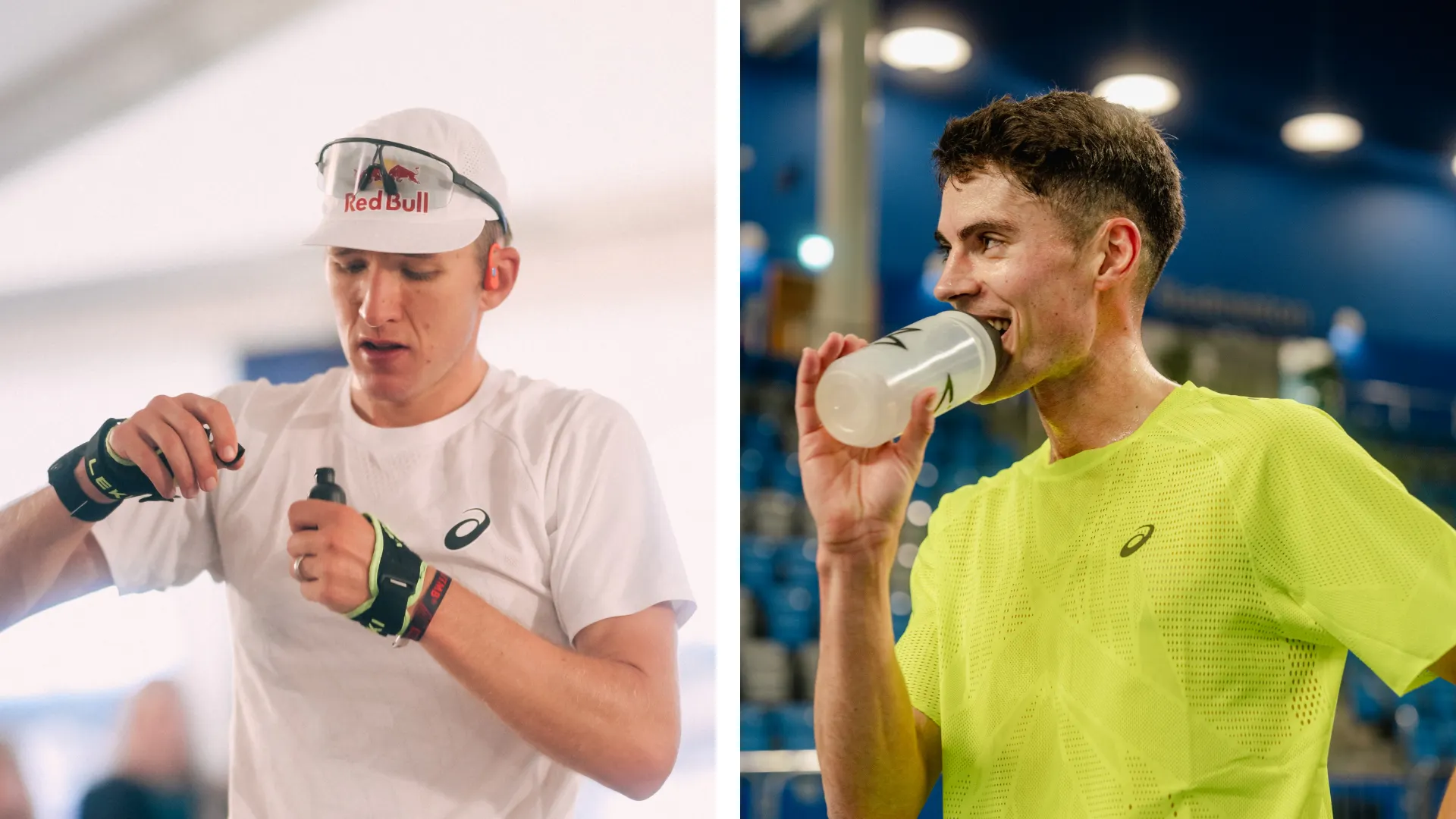
Why are runners at higher risk of dental problems?
Even professional athletes in prime physical condition can show dental neglect when it comes to their oral health, and there are quite a few reasons for this.
For endurance athletes, the biggest issue is often how frequently the teeth are exposed to carbohydrates and sugars, rather than simply the total amount consumed.
1. Frequent carbohydrate and sugar consumption
Anytime we consume sugars or carbohydrates, bacteria in our saliva break them down and produce acids as a by-product. We tend to think of carbohydrates only as the obvious foods like bread, pasta and rice, but carbohydrates and sugars are everywhere, including some of the things we consider 'healthy', such as fruit.
The acids from these foods can remain around the teeth for about half an hour and lower the pH in the mouth to a point that can contribute to tooth decay.
This is known as a 'sugar attack'.
The general recommendation would be to have a maximum of four sugar attacks a day – breakfast, lunch, evening meal and one snack. However, it is virtually impossible to keep to these guidelines and still meet the nutritional needs of an endurance athlete, particularly during periods of high training load.
This is where endurance athletes face a particular challenge. We need carbohydrates to fuel training and racing, but frequent carbohydrate intake also means our teeth are exposed to sugars and acids more often.
2. Sports drinks and electrolytes
What people can forget is the impact of sports drinks on our teeth. Many contain sugars such as maltodextrin, fructose and glucose. Some electrolyte products also contain sugars.
This doesn't mean runners should avoid sports drinks when they are useful for training. Instead, it is worth considering when you are using them.
Where appropriate, sports drinks and sugary electrolytes should be kept to training periods, with water as the main drink between meals. This can help avoid unnecessary additional exposure to sugars throughout the day.
3. Reduced saliva flow during running
Saliva helps wash away acids produced by the breakdown of sugars and neutralises them by containing bicarbonate.
However, when we run, the body activates the sympathetic nervous system to increase our heart and breathing rate. This can reduce saliva flow, decreasing some of the protective functions of saliva.
This is one reason why oral health can become more challenging during endurance exercise.
4. Dehydration and mouth breathing
Frequent dehydration will also reduce the amount of saliva in the mouth, while mouth breathing can contribute to dry mouth.
Some say we should be breathing through our nose while we exercise, however this is an extremely difficult skill to master, particularly at higher intensities. Most of us will mouth-breathe during harder efforts, which can contribute to a dry mouth.
Together, reduced saliva flow, dehydration and mouth breathing can reduce some of the mouth's natural protective mechanisms. [2]
5. Teeth grinding and clenching
As endurance athletes, we put our bodies under a lot of stress. With stress, many patients show patterns of grinding or clenching their teeth.
This could happen during sleep, or the end of a hard rep when we're pushing for more, or during strength training as we push to lift a heavy weight.
Teeth grinding can cause pain in the jaw joint and muscles, which can impact quality of life and take away some of the motivation needed to train well.
Grinding can also cause wear of the teeth, known as attrition. This is different from the wear caused by acidic drinks, which is known as erosion.
All forms of tooth wear can lead to sensitivity and, in severe cases, can alter the appearance of the teeth. Changes to dental aesthetics may affect a runner's self-image, and research has suggested that reduced self-confidence could influence sporting performance [3,4]
Are Energy Gels Bad for Your Teeth?
From a young age we learn sugar is bad for our teeth. We're told if we eat sweets and chocolate all day our teeth will suffer, yet the carbohydrates and energy gels we take during endurance training are, by definition, full of sugar.
So, are energy gels bad for your teeth?
They can contribute to dental problems, particularly when they are consumed frequently, but that doesn't mean runners should stop using them.
As dentists, we accept gels and carbohydrates are imperative to fuel properly, because if we avoid them, it can be detrimental to our performance and increase the risk of problems associated with inadequate fuelling but consistent use can put additional pressure on our teeth.
While everyone is different, the broad recommendations from sports nutritionists are to take a carbohydrate gel approximately every 30 minutes [5]
However, this means as soon as the mouth has recovered from a gel, we are potentially attacking it again with carbohydrates and sugars and the process starts over.
Saliva should be able to clean the acids away eventually but, in some cases, if the gels are very viscous and sticky, they can cling to the teeth, exposing them to carbohydrates for longer.
Saliva should be able to clean the acids away eventually but, in some cases, if the gels are very viscous and sticky, they tend to cling to the teeth, exposing the teeth to carbohydrates for longer.
To help, it would be useful to swill our mouth with water or an appropriate mouthrinse as soon as we have the gel. This can help reduce the sugars and acids around the teeth and shorten the duration of the 'sugar attack'.
This may not always be practical in a race, but it can still be very helpful during training where the bulk of your training mileage takes place.

How Can Poor Oral Health Impact Runners?
Imagine you've spent months training for a race and on the day, you're hit with toothache… you would not be performing at your best!
It sounds far-fetched but even elite runners have missed training and races due to dental issues, something that may be avoidable [6].
Poor oral health can lead to:
● Aches and pains requiring treatment
● Discomfort eating or drinking, reducing our ability to fuel properly
● Possible increased risk of muscle injuries due to systemic inflammation [7]
● Decreased focus and concentration
All of these could in turn lead to:
● Time away from training
● Increased fatigue and slower recovery times
● Impaired strength and endurance
For those working with elite athletes, the concept of reducing oral inflammation to reduce full-body inflammation is often seen as a marginal gain and ‘the 1%’ that will help them break records or win medals.
Yet having good oral health is not the same as having access to the latest technology. It is something that is relatively easy to achieve, and ignoring it could have lifelong consequences.
What Signs of Poor Oral Health Should Runners Look Out For?
Regular check-ups are vital so problems can be highlighted earlier, making them simpler to treat without affecting your training.
For some people, every 12 months may be adequate, but for those of us consuming a higher amount of sugars and carbohydrates, we put ourselves at a higher risk of dental issues and may find a check up every six or three months may be more appropriate.
However, it's also important to recognise when extra care and attention may be needed.
Look out for:
● Tooth sensitivity
● Bleeding or redness of the gums
● Dry mouth
● Bad breath
● Dark spots or lesions on the teeth
● Aches and pains around the jaw joints and temples
● Mouth ulcers and irritation
In the case of severe pain or swelling, it's important to seek help promptly.
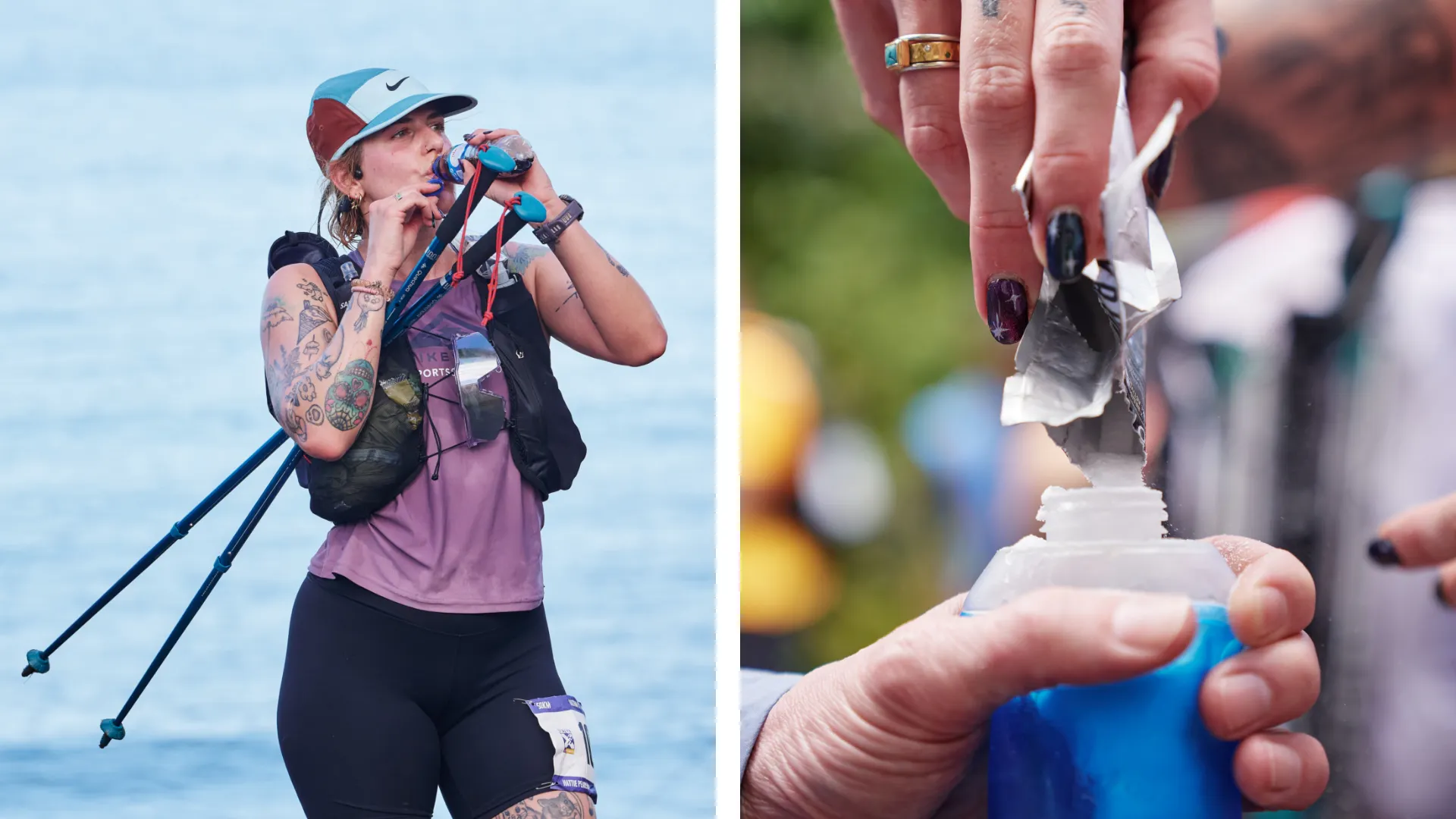
How Can Runners Protect Their Teeth?
Prevention is always better than cure. The everyday routine is simple but must not be ignored.
1. Maintain a good daily oral-health routine
● Brush first thing in the morning and last thing at night
● Brush for at least two minutes, preferably with an electric toothbrush
● Use a toothpaste containing at least 1450ppm fluoride
● After brushing, spit out the toothpaste and do not rinse
● Clean between the teeth at least once a day with floss or interdental brushes [8]
These habits form the foundation of good oral health, regardless of how much you run.
2. Rinse with water after gels and sports drinks
During training, we attack our teeth with considerable amounts of sugars and carbohydrates.
You can help the mouth clear them by swilling with water straight afterwards. A suitable mouthrinse may also be useful where appropriate.
For those using sports drinks, it may be possible, depending on the session, to deploy a 'two-bottle system'.
Drink your sports drink from bottle one, followed immediately afterwards by drinking water from bottle two.
This won't always be practical during a race, but it can be a simple strategy to use during training.
3. Think about your oral health after racing
After racing, I'll always pack a toothbrush!
Saliva will help wash harmful acids away, but some sports drinks and gels can stick to the teeth, so it's good to brush these off and reset the mouth from what it's been dealing with as soon as you can.
4. Give your teeth a break on rest and low-load days
Outside of endurance sport, the advice is to consume sugars only four times a day – the equivalent of four 'sugar attacks'.
This is practically impossible during periods of high training load, when frequent carbohydrate intake may be necessary.
However, on rest and low-load days, we should attempt to follow this guidance where possible. Having fewer sugar exposures gives the teeth more time to remineralise, helping to repair and strengthen the enamel.
It's also useful to get our carbohydrate intake on these days from a range of different sources, including whole foods such as grains, legumes, fruit and vegetables. Your nutritional needs change throughout the training cycle, so the approach you take on a long-run day may be very different from what you need on a rest day.
When Should Runners See a Dentist?
Regular visits to your dentist are imperative, particularly if you're regularly training for endurance events.
Not only can a dental professional look out for visual signs of poor oral health, but they can also take X-rays to look for decay that may not be obvious to the naked eye.
Furthermore, the advice here is generalised. Everybody's lifestyle and training patterns are different, so a dental professional can offer more specific advice tailored to you.
For example, some patients may require:
● Shorter recall intervals, meaning they need to see their dentist more often
● A prescription for high-fluoride toothpaste where appropriate
● The application of fluoride varnish
● Advice on an oral-hygiene routine that works for them
If you're training for a marathon or regularly taking part in endurance events, it's worth discussing your training and fuelling habits with your dentist. They can help identify your individual risk factors and whether you need additional support.
The Takeaway: You Don't Have to Choose Between Fuelling and Healthy Teeth
At the end of the day, if you neglect your dental health, it can impact your performance.
As endurance athletes, we're putting our oral health under additional pressure, primarily because of the frequency rather than simply the amount of sugar and carbohydrates we consume.
This doesn't mean we need to avoid carbohydrates or energy gels. They can be an important part of fuelling endurance performance.
Instead, we need to place more emphasis on prevention and minimise the risks before they impact our sport and our lives.
Maintaining good daily oral hygiene, using water strategically around training and fuelling, and giving our teeth opportunities to recover on rest and low-load days can all help.
Regular visits to your dentist are also imperative. Your dental professional can identify problems early and provide advice that's tailored to your lifestyle and training patterns.
You don't need to choose between fuelling your training and protecting your teeth. With the right habits, you can support both.

More Running Advice from SportsShoes
Looking after your oral health is just one part of staying healthy throughout endurance training. Explore more expert advice from SportsShoes on marathon training, running nutrition, fuelling, hydration and injury prevention.
References
- https://bjsm.bmj.com/content/47/16/1054.long
- https://pmc.ncbi.nlm.nih.gov/articles/PMC10858538/
- https://pmc.ncbi.nlm.nih.gov/articles/PMC9180271/
- https://www.nature.com/articles/sj.bdj.2014.1000
- https://pmc.ncbi.nlm.nih.gov/articles/PMC6839090/?utm_source=chatgpt.com
- https://www.mirror.co.uk/sport/other-sports/athletics/mo-farah-lifts-lid-terrifying-4038223
- https://pmc.ncbi.nlm.nih.gov/articles/PMC9839431/
- https://www.gov.uk/government/publications/delivering-better-oral-health-an-evidence-based-toolkit-for-prevention/chapter-2-summary-guidance-tables-for-dental-teams
Welcome
Welcome to the SportsShoes Training Hub! We’ve teamed up with the experts to bring you the very best advice in all things running - from training, to nutrition and even motivation. Alongside tips from you, our running community, and the latest news and releases, we hope we’ll inspire you to run stronger,better and happier – because as we know, it’s no fun standing still.